Sensors: Perception
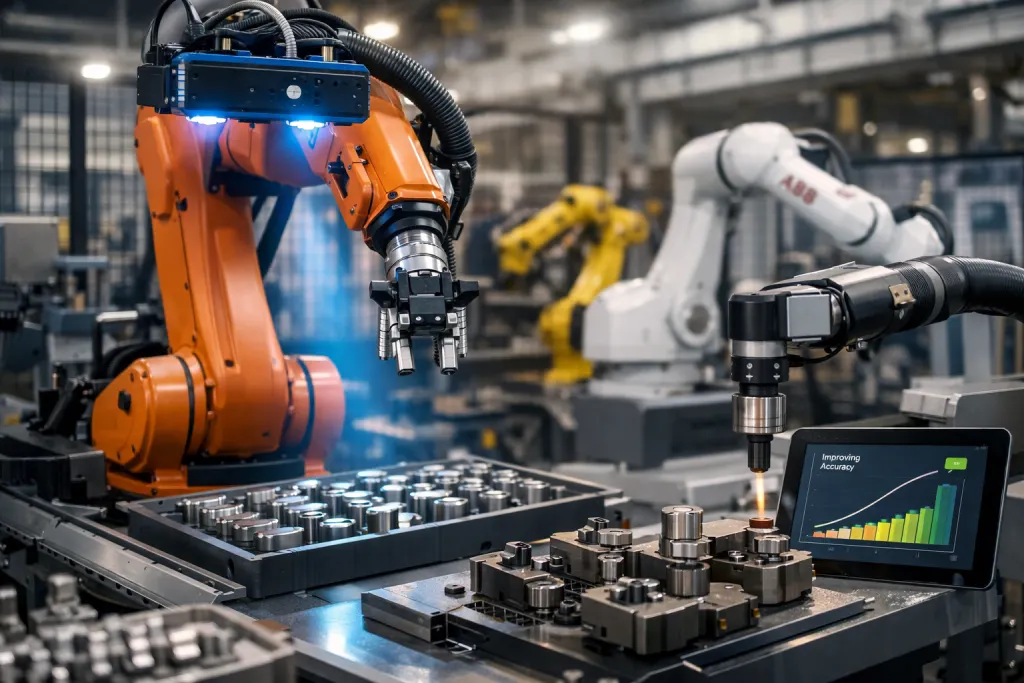
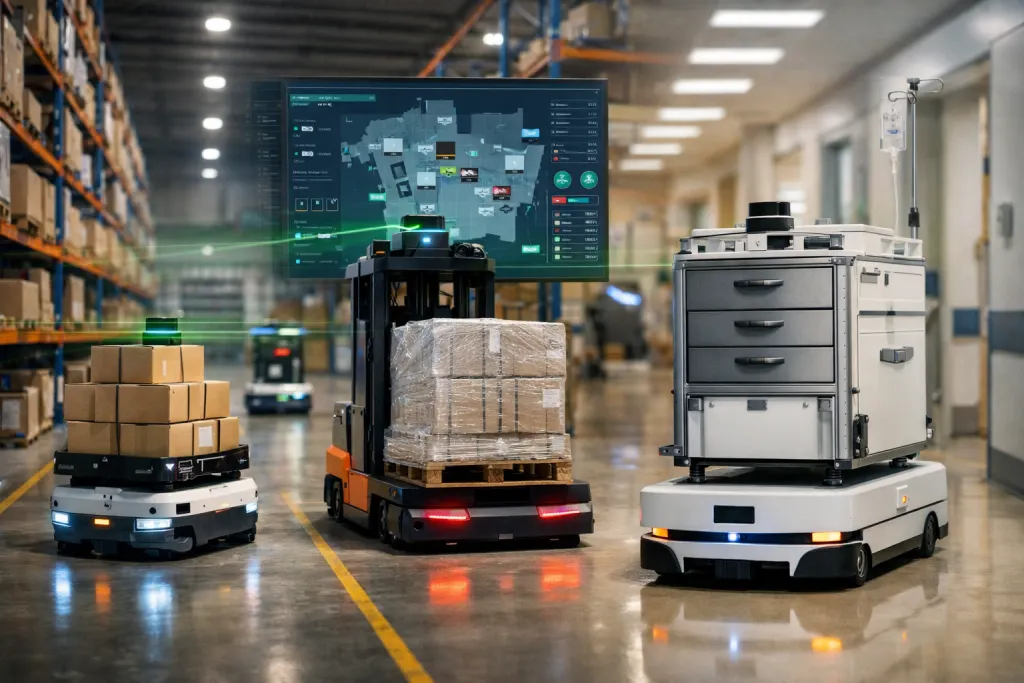
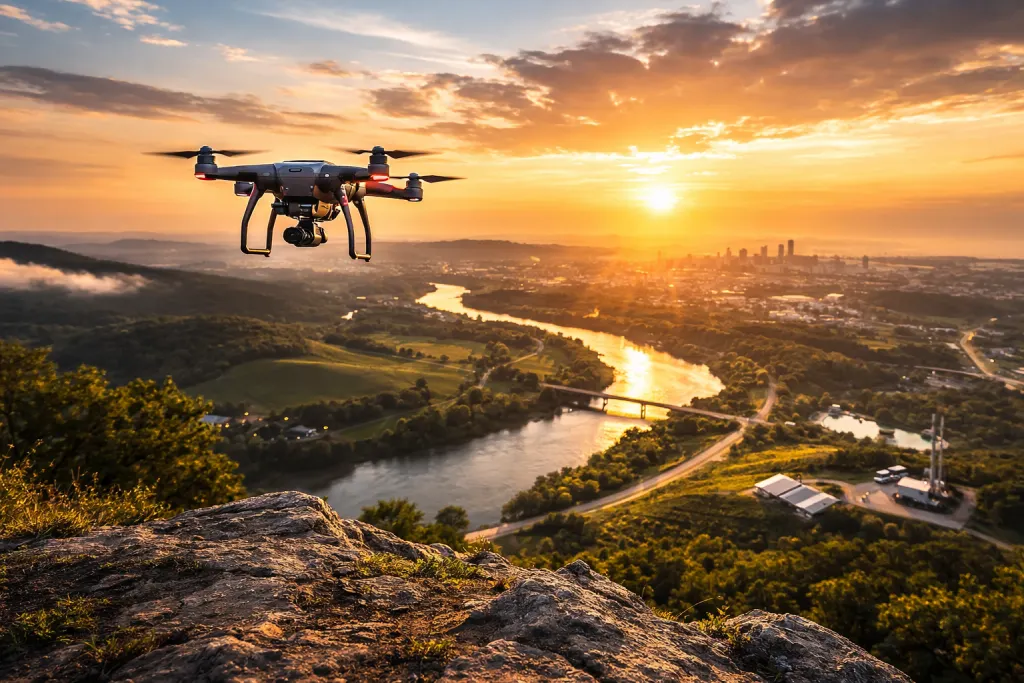
LIDAR, cameras, IMUs, force/torque sensors, encoders, ultrasonic, GPS. Each has strengths, failure modes, cost tradeoffs. Production robots use sensor fusion for reliability.
Actuators: Motion
Electric motors, hydraulics for high force, pneumatics for speed. Power, precision, speed, cost, pick three. We break down application tradeoffs.
Control Systems: Execution
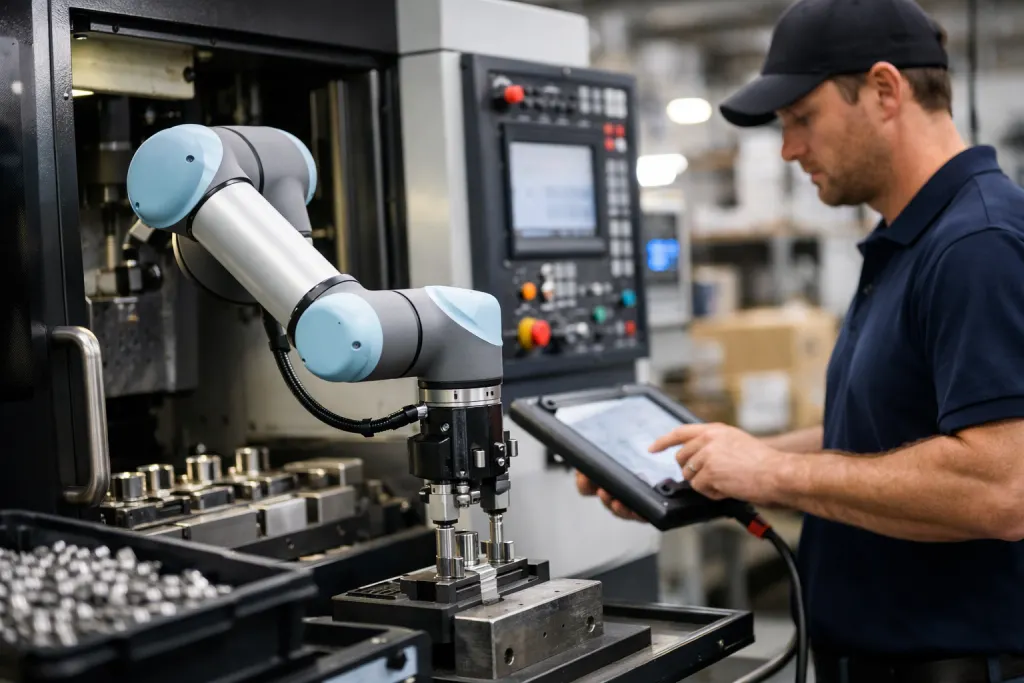
PID control, model predictive control, adaptive control, learning-based approaches. Real-time OS, deterministic execution, safety-certified code. Bugs crash robots into things, not just programs.
AI & ML Integration
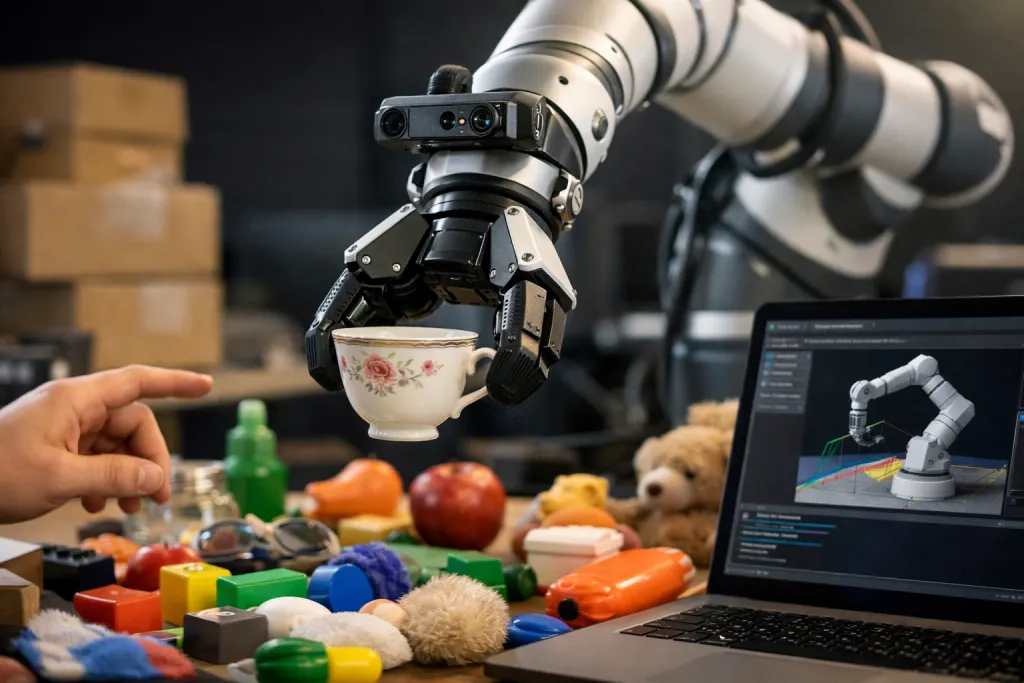
Computer vision for detection. Reinforcement learning for manipulation. Imitation learning from demos. Sim-to-real transfer. Where robotics gets interesting and difficult, simulation works until reality doesn't match.
Simulation & Digital Twins
Gazebo, Isaac Sim, MuJoCo, PyBullet. Test before breaking hardware. Accelerates development if physics models are accurate. Building high-fidelity sims is its own challenge.