
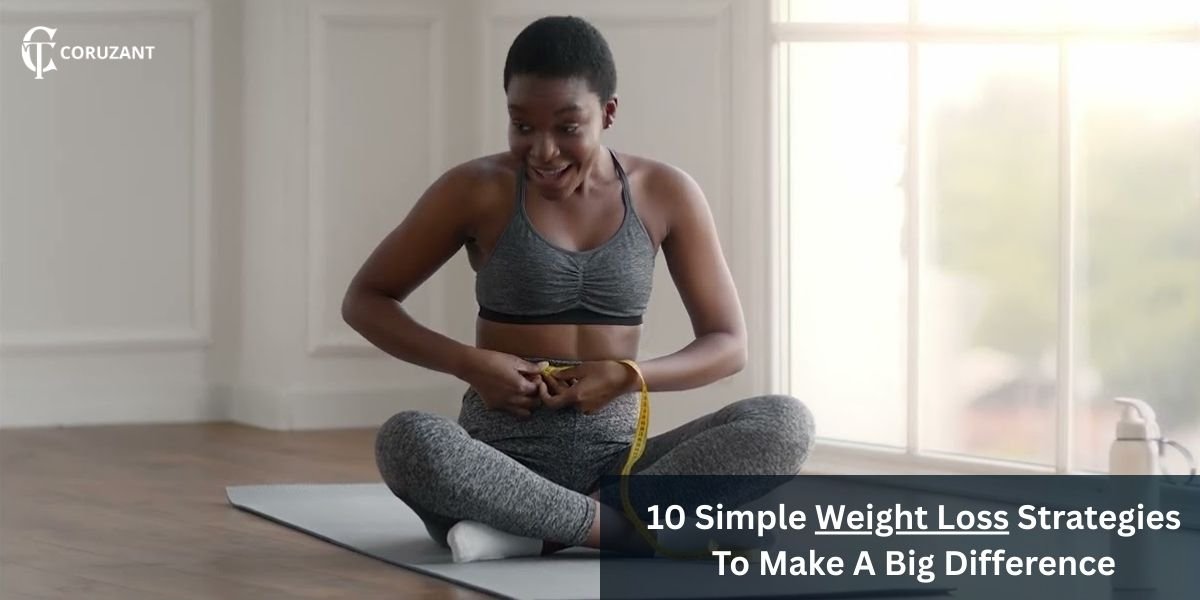
Why do most diets fail? Stop the diet cycle for good. Fad diets set you up to fail. They don’t work. They promise miracles but cause hunger. Then you gain the weight back. It’s a common story. Globally, over 40% of adults have obesity. And 95% of crash dieters gain the weight back.
The solution is sustainable change. Science offers a kinder path. Small habits can make a big difference. Adding protein and walking daily can help you. This approach can lead to losing 5-10% of your weight in six months. This is without misery.
The problem is chasing extremes. No juice cleanses. Keto binges. No restrictive diets. Research says to do the opposite. People who track food lose more weight. Writing down what you eat can double weight loss. A better breakfast can slash hundreds of calories. Success comes from consistency.
This guide outlines 10 proven strategies. No gym membership needed. They are simple swaps that impact life. Drink water instead of other drinks. Prioritize vegetables in meals. Start with one change today. Build a healthier life that lasts.
A Healthy Weight Loss
A healthy weight isn’t about cutting every food. You don’t need to starve all day long. The goal is to lose body fat slowly. This protects your health as well as your muscles. Sustainable eating habits can make fat loss easier.
You need to stay active. Your sleep cycle affects your body weight. Manage the stress level because it directly affects eating habits. For long-term change Skip the quick fixes.
- The safest way to lose weight is to lose weight slowly.
- Keep the goal of losing 1-1.5 kg per week.
- Take in 300–450 calories per day.
- A calorie deficit helps in losing weight more quickly.
- Consume whole foods.
- Limit processed snacks.
- Have protein with each meal.
- Choose fiber-rich options.
- Drink water, not sugary drinks.
- Stay active throughout the day.
Must Read: Diabetes Symptoms: The Subtle Warnings You Should Never Ignore
1- Focus On Natural Ingredients
Natural foods keep your gut feeling full. Vegetables are a rich source of fiber. Fruits reduce the cravings for sweets. Lean proteins keep you full. They are nutritionally dense foods. They lack added sugars. They reduce cravings. Swap chips for an apple. It will give you more energy. Shop for fresh items.
- Take up grapes in place of soda.
- Check for short ingredient lists.
- Cook food in packs.
- Check for short ingredient lists.
| 📍Pro Tip: Freeze smoothies in single portions. Grab one for instant natural snacks. |
2- Count Every Day’s Calories
Calorie counting works by increasing awareness. Small habits often hide large calorie loads. A single chai can equal a small meal. Oil-heavy cooking quietly raises intake. Tracking makes these calories visible. Studies show frequent trackers lose significantly more weight.
One analysis found an extra seven-pound loss in one year. Accountability is the key mechanism. The approach encourages accountability. This also allows flexibility in food choices. No food groups are banned.
- Portions are adjusted, not eliminated.
- Calorie targets depend on lifestyle factors.
- Calorie goals depend on individual needs.
- Most adults aim for 1,800–2,200 calories when losing weight.
- Sustained habits show long-term outcomes.
| 📍Pro Tip: Don’t risk muscle loss. Never go below 1,200–1,500 calories per day without medical guidance. It can cause nutrient deficiencies. |
3- Prioritize Protein
Protein increases fullness while controlling hunger. It helps you stay satisfied. It increases fullness hormones in the body. Ghrelin levels went down after high-protein meals.
You naturally eat fewer calories. This raises daily energy expenditure. It supports fat loss without muscle loss. This is called diet-induced thermogenesis.
- Studies recommend 1.2–1.6 g/kg daily intake.
- This supports a higher metabolism.
- Protein also improves long-term weight maintenance.
- Fat loss improves body shape.
- Protein helps prevent weight regain.
- Protein reduces weight regain over time.
| 📍Pro Tip: The easiest way to consistently get enough protein? Start by selecting a protein. Then, complete your meal with vegetables. Add smart carbs to your plate using simple methods. |
4- Prefer Fiber-Rich Choices
Fiber has two main types. It supports weight control in two ways. Soluble fiber dissolves in water. Insoluble fiber improves digestion. It supports regular bowel movements. Both promote satiety. You feel full faster. It enhances digestion while increasing regularity.
You eat less without effort. High-fiber foods are calorie-light. They are high in volume. This keeps you up with a calorie deficit. Vegetables are the best choices. Fiber increases GLP-1 hormone levels. Studies confirm better weight loss with high fiber intake.
- It reduces inflammation.
- It improves gut health.
- This improves metabolism.
- It supports gut bacteria.
| 📍Pro Tip: Follow the fiber-first rule. Eat fiber before the main meal. This reduces the calorie intake. Drink water with meals. This reduces intake by 10–20%. Salads and soups are effective. Track intake for one week. Local produce keeps costs low. |
5-Hydrate Wisely
Proper hydration supports metabolism. It controls your appetite. Hydration is a basic weight-control solution. Small dehydration in the body impacts appetite. The human body is made up of 60% water.
A little dehydration sends false hunger signals. Dehydration confuses the brain. A 1–2% fluid loss can feel like hunger. This causes unnecessary eating. Research links higher water intake with reduced feeding.
- Hydration supports better insulin response.
- Drinking 500 ml before meals improves results.
- Weight loss increases by nearly double in trials.
- Stomach expansion signals satiety. Food intake drops by up to 22%.
| 📍Pro Tip: Drinking cool water boosts energy expenditure. Metabolism rises for up to one hour. Hydration improves insulin sensitivity. Replacing sweet drinks saves 200–500 calories per day. |
6- Move More In Ways You Enjoy
Traditional workouts feel harsh. It can exhaust you in weeks. Many workouts fail over time. A few workout feels like punishment. Motivation fades quickly. People lose interest easily. Dropout rates cross 50 percent. This happens within a few months.
Enjoyable movement changes this pattern. It feels natural. You enjoy instead of feeling it as punishment. It also increases the daily activities. NEAT rises throughout the day. This helps you burn calories. NEAT can burn 200 to 500 calories daily.
This comes from walking. Studies suggest that enjoyable exercise is. you adhare to such exercises. This helps you burn calories. In result, you lose weight. People lose 5 to 10 percent more weight yearly. This happens compared to disliked workouts. Dancing makes fitness fun. Park walks add daily steps.
- More calories burned without food restriction.
- Thirty minutes of dancing burns 300 to 400 calories.
- Mood improves immediately.
- Enjoyment builds habits.
- Muscle stays intact.
- Daily steps exceed 8,000 easily.
| 📍Pro Tip: Use Google Fit for tracking. Track steps with your phone. Create a music routine. Create a music routine. Stay consistent. Weight loss reaches 1–2 kg monthly. Medical advice is important for beginners. |
7- Regulate Your Sleep Cycle
Your body follows a circadian rhythm. Circadian rhythm acts as your body clock. It regulates hormones. It also controls your hunger. Inconsistent sleep disrupts this system. Ghrelin levels increase. Leptin levels decrease.
This results in increasing hunger. Satiety decreases as well. People eat more without realizing it. Extra calories are consumed daily. Sleep-deprived dieters lose less fat. They burn muscle instead. Chronic sleep deprivation slows metabolism. Cortisol increases stress eating. Fat storage increases. Shift workers are most affected.
- Seven to nine hours works best.
- Morning fat burning improves.
- Cravings fall automatically.
- Energy levels improve daily.
| 📍Pro Tip: Use the rule not to eat before bed. Don’t take caffeine. No screen time before sleeping. Recall the pre-bed gratitude list to cut stress eating. |
8- Manage Stress To Reduce Eating Habits
Chronic stress keeps the body in alert mode. Stress changes how the body eats. Acute stress may suppress hunger. Cortisol floods the system. Ghrelin levels increase at the same time. Leptin suppression reduces satiety.
This creates constant cravings. People eat without hunger. Processed foods become more appealing. Fat storage increases in the abdomen. Stress programs reduce overeating behaviors.
- Metabolism slows under stress.
- Stress management reduces emotional eating.
- Dieting fails without stress management.
- Participants lose 5 to 10 percent of their body weight.
- External eating cues decrease.
- Unmanaged stress causes diet failure.
- Most people regain lost weight.
| 📍Pro Tip: Note every unplanned bite. Replace the stress snack with water. You can also walk for ten minutes. |
9- Plan Your Meal Before Having It
Meal planning means deciding on meals in advance. Meal planning creates structure around eating. Hunger does not control choices. You plan what to eat. You plan what to eat. You plan how much to eat.
Calorie-dense takeout is avoided. Calorie-dense takeout is avoided. Calories are controlled automatically. Portions are planned. Studies show sustained weight loss. Seventy-four percent maintain results after one year. Unstructured eating fails more often. Half the plate is vegetables.
- Protein fills one quarter.
- Carbs fill one quarter.
- Visual balance limits excess calories.
- Tracking compares the plan versus reality.
- Grocery spending decreases.
- Plans improve long-term adherence.
| 📍Pro Tip: Every evening, plan your next day’s meal in your phone notes. It only takes 5 minutes. Include the portions. Add the “dink first” rule. Do a 10-minute walk after every meal. This will become your routine. |
10- Set Realistic Goals
Unrealistic goals cause failure. Fast results rarely last. Rapid weight loss increases stress. Frustration leads to quitting. Yo-yo dieting becomes the result. Weight regain is common. Realistic goals support consistency.
Healthy goals focus on behavior. Weekly loss should be modest. Lifestyle-friendly plans work best. Motivation improves with small wins. Five percent weight loss improves health.
- One kilogram of weight loss per week is enough.
- SMART goals define clear actions.
- Walking daily is measurable.
- Celebration improves commitment.
| 📍Pro Tip: You can swap processed fruits for a fruit as a snack. Add a 10-minute walk after every dinner. Use ads to track improvement. |
A Simple Daily Routine To Follow!
Eat a rich-protein breakfast daily. Protein keeps you full for a long time. Walk for 10 minutes after your first meal. This boosts metabolism naturally. Drink water mid-morning. Snack lightly if needed.
Lunch should be vegetable-heavy. Half the plate should be vegetables. Add lean protein. In the afternoon, walk for 20 to 30 minutes. Track your steps on your phone. Use herbal tea to control cravings.
Finish dinner early. Change one habit at a time. Weigh yourself once per week. Slow loss stays permanent.
Read More: Mental Health Tips: 07 Ways To Tame Anxiety Before It Starts